Unleashing the Power of Keto: Your Ultimate Guide to Success
Are you ready to unlock the incredible potential of the keto diet and transform your health and lifestyle for the better? In this ultimate guide to keto success, we dive deep into everything you need to know to harness the power of keto effectively. From understanding the fundamentals of the keto diet to practical tips for starting your journey, we've got you covered. Discover how to navigate keto-friendly foods like a pro, optimize your results by combining exercise with the keto diet, and learn how to overcome obstacles to stay dedicated and achieve your goals. Whether you're a newbie looking to kickstart your keto lifestyle or a seasoned keto enthusiast seeking to enhance your results, this article is your go-to resource for mastering the art of keto and reaching your full potential. Get ready to unleash the power of keto and embark on a transformative journey towards a healthier, happier you
Understanding the Basics: What Exactly is the Keto Diet?
The Keto diet, short for the ketogenic diet, is a high-fat, low-carbohydrate eating plan that has gained immense popularity in recent years for its potential health benefits, particularly in weight loss and improved mental clarity. The fundamental principle behind the Keto diet is to shift the body's primary energy source from carbohydrates to fats, putting it in a state called ketosis. In ketosis, the body produces ketones from fat in the liver, which becomes the main source of fuel for the body and brain instead of glucose from carbohydrates. This metabolic process is believed to offer numerous advantages, such as faster weight loss, reduced inflammation, stabilized blood sugar levels, increased energy levels, and enhanced mental focus. The typical macronutrient breakdown of the Keto diet involves consuming about 70-80% of your daily calories from fats, 20-25% from proteins, and only 5-10% from carbohydrates. By drastically limiting carb intake, the body depletes its glycogen stores and begins burning fat for energy, leading to weight loss. Moreover, the low-carb, high-fat nature of the Keto diet helps control hunger and cravings, making it easier for many people to maintain a caloric deficit without feeling deprived. It is essential to understand that adopting a Keto lifestyle requires careful meal planning and monitoring of food intake to ensure you are meeting your nutritional needs while staying within the desired macronutrient ratios. Including sources of healthy fats like avocados, nuts, seeds, and olive oil, as well as high-quality proteins and low-carb vegetables, is crucial for a well-rounded Keto diet that supports overall health. While the Keto diet may not be suitable for everyone and can have potential side effects like the keto flu during the initial transition period, many individuals have found success in achieving their health and wellness goals through this eating approach. As with any significant dietary change, consulting with a healthcare provider or nutritionist is recommended to determine if the Keto diet is the right choice for you and to ensure you are following it safely and effectively
Tips and Tricks for Starting Your Keto Journey
Embarking on a keto journey can be both exciting and intimidating, especially if you're new to the concept of the ketogenic diet. Here are some essential tips and tricks to help you kickstart your keto experience successfully: 1. **Understand the Basics**: Before diving into the keto lifestyle, take the time to understand the fundamentals of the diet. Research what ketosis is, familiarize yourself with the concept of macros (fat, protein, and carbohydrates), and learn which foods are keto-friendly. 2. **Meal Planning**: Planning your meals in advance is crucial for staying on track with your keto goals. Stock your kitchen with low-carb, high-fat foods, and prepare keto-friendly meals and snacks to avoid last-minute temptations. 3. **Stay Hydrated**: Proper hydration is key to supporting your body during the transition into ketosis. Drink plenty of water throughout the day, and consider adding electrolytes to prevent dehydration, especially during the initial stages of the diet. 4. **Track Your Macros**: Monitoring your macronutrient intake is essential for maintaining ketosis. Use a food tracking app to keep tabs on your carbs, fats, and proteins, ensuring you stay within the recommended keto ratios. 5. **Focus on Whole Foods**: While there are plenty of keto-friendly processed options available, aim to prioritize whole, nutrient-dense foods in your diet. Opt for fresh vegetables, quality meats, nuts, and healthy fats to nourish your body and support overall health. 6. **Be Mindful of Hidden Carbs**: Some foods may contain hidden carbohydrates that can sabotage your keto progress. Pay attention to labels, sauces, and condiments, as they may sneak in added sugars and starches that could kick you out of ketosis. 7. **Prepare for the Keto Flu**: As your body adjusts to using fat for fuel instead of carbs, you may experience symptoms known as the "keto flu." Be prepared for potential fatigue, headaches, and cravings by ensuring you're well-rested and consuming enough electrolytes. By implementing these tips and tricks as you start your keto journey, you can set yourself up for success and navigate the challenges of transitioning to a low-carb, high-fat lifestyle with confidence. Remember, patience and perseverance are key as your body adapts to this new way of eating!
Navigating Keto-Friendly Foods: What to Eat and What to Avoid
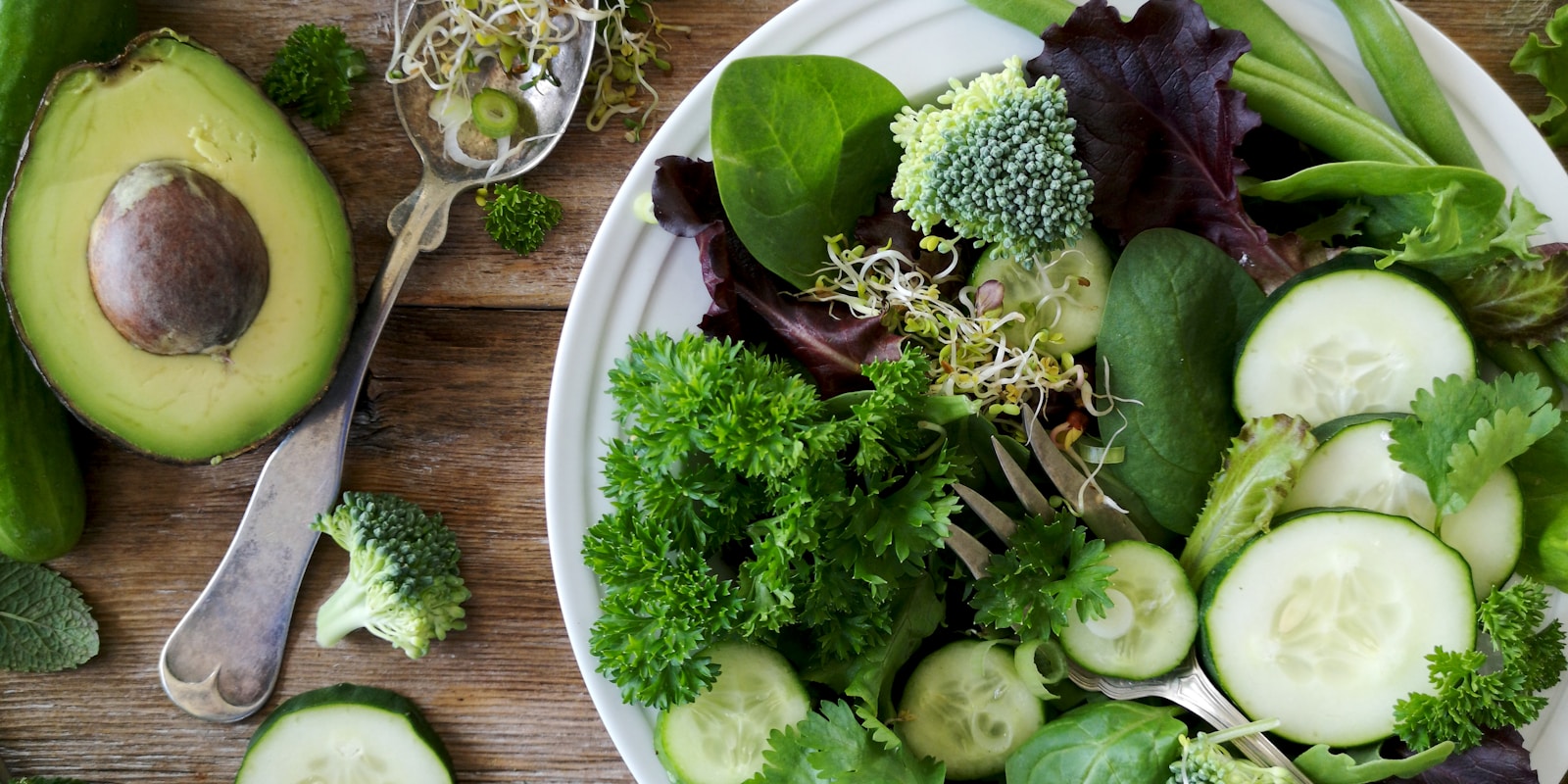
When embarking on a Keto diet, one of the essential keys to success lies in understanding which foods you should focus on incorporating into your meals and which ones are best avoided. The foundation of the Keto diet is low carbohydrate intake, moderate protein consumption, and high healthy fats. Here's a breakdown of what to eat and what to avoid to help you navigate Keto-friendly foods effectively: Foods to Eat: 1. Healthy Fats: Avocados, olive oil, coconut oil, and nuts are excellent sources of healthy fats that provide sustained energy and promote ketosis. 2. Low-Carb Vegetables: Incorporate leafy greens like spinach, kale, and broccoli, as well as zucchini, cauliflower, and bell peppers into your meals. 3. High-Quality Proteins: Opt for grass-fed meats, pasture-raised poultry, fatty fish like salmon and mackerel, and eggs to meet your protein needs. 4. Full-Fat Dairy: Cheese, butter, and high-fat yogurt can be included in moderation to add flavor and richness to your meals. 5. Nuts and Seeds: Almonds, chia seeds, and flaxseeds are great snacks that provide healthy fats and fiber. Foods to Avoid: 1. Sugary Foods: Cut out sugar in all its forms, including sweets, sodas, fruit juices, and even some fruits high in sugar like bananas and grapes. 2. Grains and Starchy Foods: Avoid wheat-based products, rice, pasta, bread, and starchy vegetables like potatoes and corn as they are high in carbs. 3. Processed Foods: Stay away from processed foods like chips, crackers, and pre-packaged meals, as they often contain hidden sugars and unhealthy fats. 4. Trans Fats: Skip foods containing trans fats like margarine and certain packaged snacks, as they can be detrimental to your health. 5. High-Sugar Sauces and Condiments: Watch out for condiments like ketchup, BBQ sauce, and sweetened dressings, as they can derail your Keto efforts. By focusing on consuming whole, nutrient-dense foods and avoiding processed, high-carb options, you can set yourself up for success on the Keto diet. Experiment with different meal combinations, recipes, and food swaps to keep your meals exciting and satisfying while staying true to the principles of the Keto lifestyle

Maximizing Results: Incorporating Exercise with the Keto Diet
One key aspect of fully maximizing the benefits of the Keto diet is incorporating exercise into your routine. While the Keto diet can lead to significant weight loss and improved overall health on its own, combining it with regular physical activity can amplify these benefits even further. Exercise complements the Keto diet in several ways. Firstly, incorporating workouts into your routine can help increase your metabolism, which is already boosted by the Ketogenic diet. This can lead to more efficient fat burning and accelerated weight loss. Additionally, engaging in physical activity while following a Keto diet can help preserve muscle mass. The high protein content of the Keto diet supports muscle maintenance, but resistance training or strength exercises can further prevent muscle loss and promote a toned physique. Exercise also plays a crucial role in overall health and well-being. It can boost your energy levels, improve cardiovascular health, enhance mood, and reduce stress – all of which can contribute to a sense of well-being alongside the physical changes brought about by the Keto diet. When incorporating exercise with the Keto diet, it's essential to find a balance that works for you. Consider your fitness level, goals, and preferences when choosing a workout routine. Whether it's high-intensity interval training, weightlifting, yoga, or simply going for a daily walk, consistency is key. Remember to stay hydrated, fuel your body with nutritious foods to support your workouts, and listen to your body's signals. If you're new to exercise or have any health concerns, consult with a healthcare provider or fitness expert to ensure a safe and effective routine. By combining the power of the Keto diet with regular exercise, you can truly maximize your results, achieve your health and fitness goals, and unlock the full potential of this transformative lifestyle approach
Overcoming Challenges: How to Stay Committed and Achieve Success on the Keto Diet
Embarking on a keto diet journey can be incredibly rewarding, but it also comes with its fair share of challenges. Staying committed to the ketogenic lifestyle requires determination, discipline, and a strong support system. To achieve success on the keto diet, it's essential to understand the common obstacles you may encounter and how to overcome them. One of the most significant challenges people face when starting a keto diet is dealing with carb cravings. Since the ketogenic diet involves drastically reducing your carb intake, your body may initially resist this change and crave those familiar comfort foods. To combat carb cravings, focus on incorporating delicious low-carb alternatives into your meals and snacks. Experiment with keto-friendly recipes and try new ingredients to keep your taste buds satisfied without derailing your progress. Another hurdle to overcome on the keto diet is the social aspect of eating. Dining out or attending social gatherings can be tricky when trying to stick to a strict eating plan. To stay committed to your keto goals, communicate your dietary needs clearly to friends and family, and don't be afraid to bring a dish or snack that fits your macros. Additionally, many restaurants now offer keto-friendly options, so do your research ahead of time to make informed choices when eating out. Staying consistent with meal planning and preparation is key to long-term success on the keto diet. Planning your meals in advance, grocery shopping strategically, and meal prepping can save you time and prevent impulsive food choices. Invest in quality food storage containers, make larger batches of your favorite keto meals, and freeze individual portions for easy grab-and-go options during busy days. Incorporating regular exercise into your routine can also help you stay committed to your keto goals. Physical activity not only enhances your overall well-being but can also support your body's transition into a state of ketosis. Find an exercise routine that you enjoy, whether it's strength training, yoga, or high-intensity interval training, and make it a priority in your daily schedule. Lastly, remember that setbacks are a natural part of any lifestyle change, including following a keto diet. If you have a slip-up or experience a plateau in your progress, don't be too hard on yourself. Acknowledge the challenge, learn from it, and refocus on your goals with renewed determination. Surround yourself with a supportive community of like-minded individuals who can offer encouragement, accountability, and practical tips for navigating the ups and downs of the keto journey. By recognizing and addressing the challenges that may arise on your keto diet path, you can arm yourself with the tools needed to stay committed and achieve long-lasting success in adopting a ketogenic lifestyle. Strive for progress, not perfection, and celebrate each milestone as you unleash the power of keto in transforming your health and well-being
Conclusion
In conclusion, the keto diet offers a powerful way to transform your health and lifestyle by tapping into the incredible potential of ketosis. From grasping the fundamentals of keto to navigating keto-friendly foods, integrating exercise for optimal results, and overcoming challenges to stay committed, this ultimate guide has provided you with all the tools you need for keto success. Whether you are just starting your keto journey or looking to enhance your current results, implementing the strategies outlined in this article will help you unlock the full benefits of the keto diet. Embrace the power of keto, stay dedicated, and watch as you embark on a transformative path towards a healthier, happier version of yourself